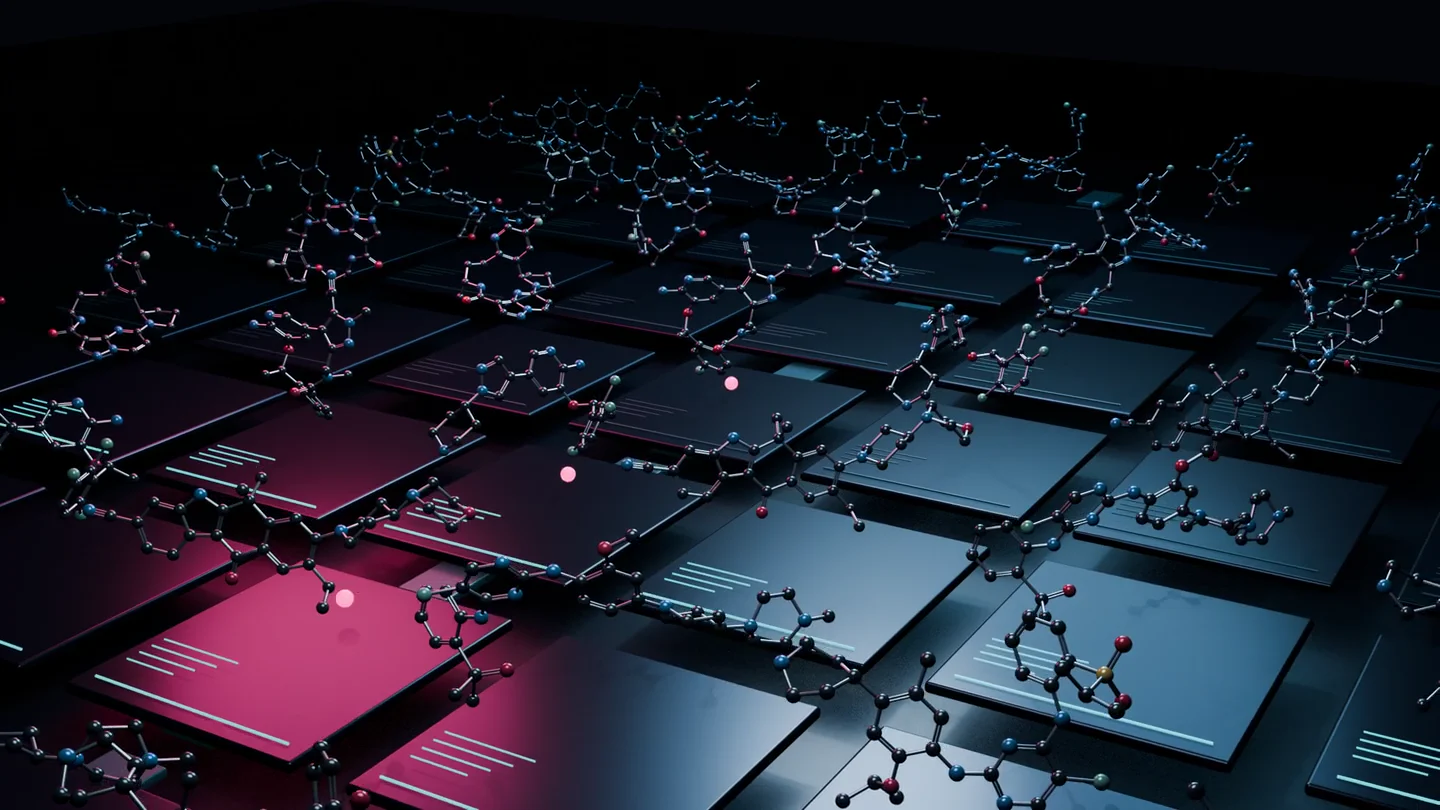
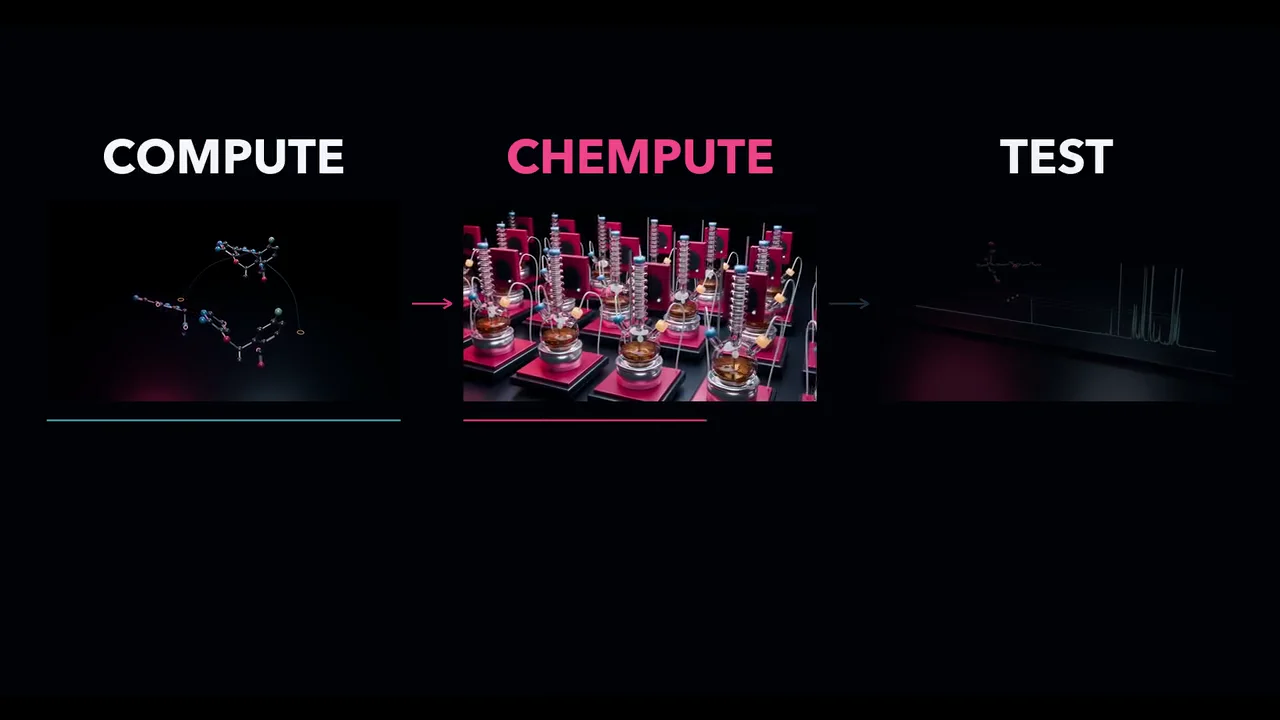
The compiler uses an equipment description to translate the procedure into instructions for that system. Execution and measurement connect the instructions to experimental evidence.
01
Procedure
Define the chemical task.
02
χDL
Express operations and parameters.
03
Compile
Map to equipment and capabilities.
04
Execute
Run on compatible robotics.
05
Measure
Connect the result to evidence.
↶ Review, refine and repeat
03THE EXPERIMENT COMPLETES THE PROGRAM
Make it. Measure it. Learn from it.
The procedure and the experimental record belong together. That is how a run becomes knowledge others can build on.
EXECUTION
Code becomes chemistry.
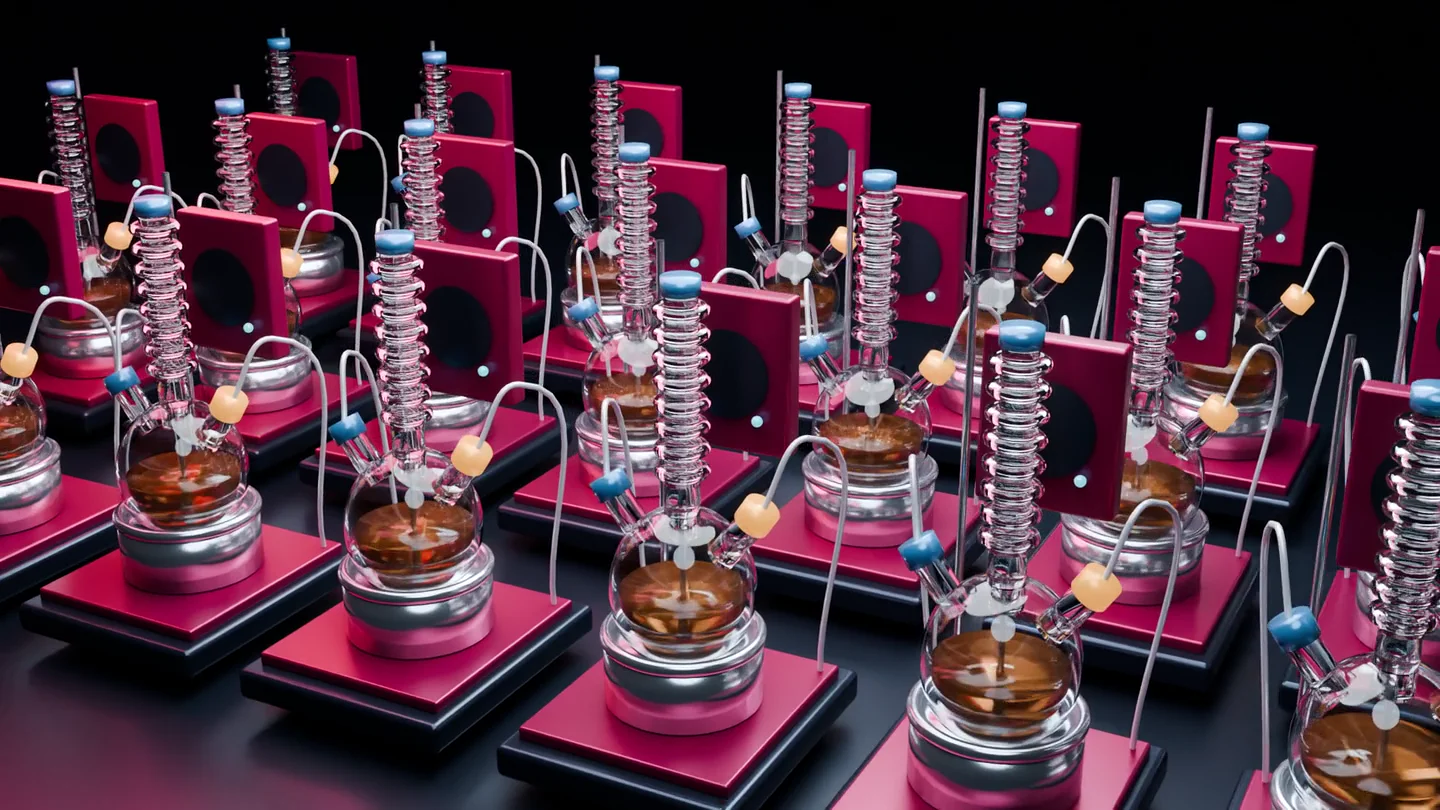
A Chemputer brings chemical operations into a modular robotic system, connecting reaction, work-up, isolation and purification.
The compiler checks the equipment capabilities required by the procedure. The experiment establishes chemical performance.
EVIDENCE & FEEDBACK
The result includes the evidence.
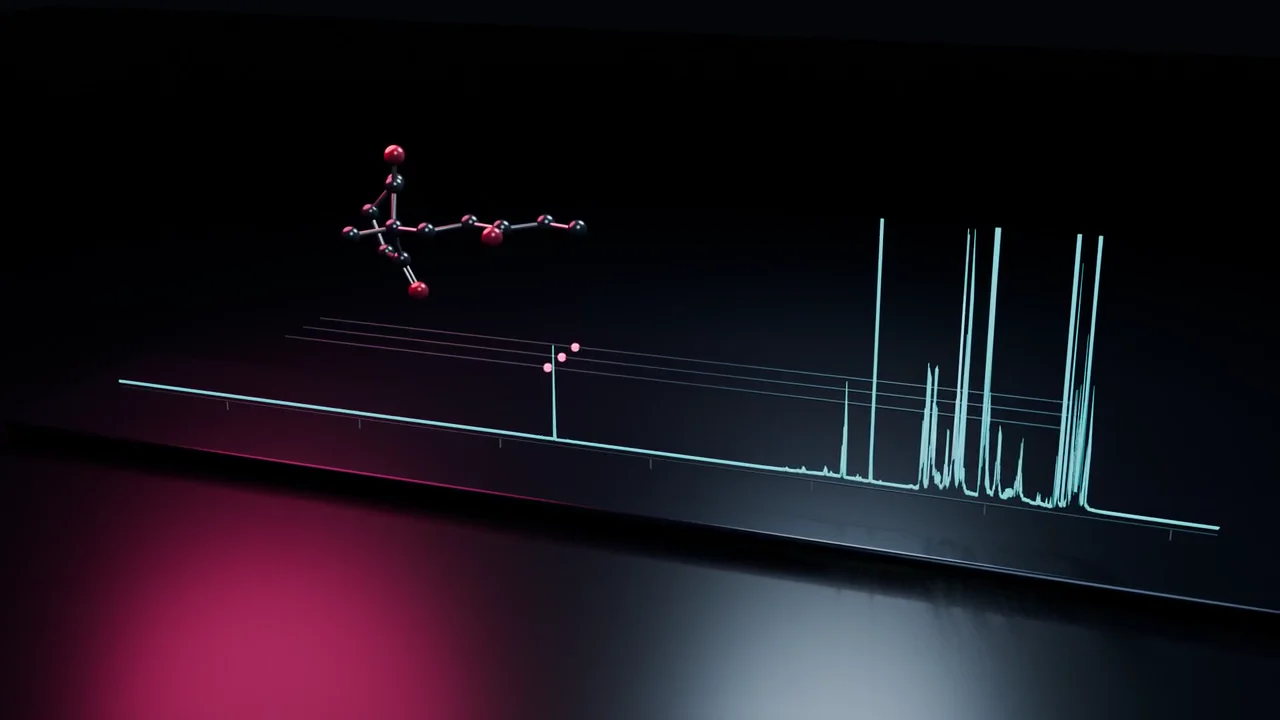
Sensors and analytical measurements record what happened. Feedback can guide a running procedure and help choose conditions for the next experiment.
Sharing the procedure, conditions and outcome gives the next experiment a stronger starting point.
Extends χDL-controlled chemputation to solid-phase peptide synthesis, integrating peptide assembly, cleavage, precipitation and chemical modifications in programmable workflows.
A formal framework connecting chemical code, hardware mapping and error correction. Its universality argument depends on extending the available chemistry and keeping each step sufficiently reliable through error correction.
Chemify builds on research into programmable chemistry at the University of Glasgow. Explore the group, the wider literature and the technical foundations.